Beijing E-Town; Haizhu, Guangzhou; Hainan Free Trade Port; Baigou, Hebei; Xingtai, Hebei; Chengdu, Sichuan; Sanmen, Zhejiang; and Yiwu, Zhejiang—this was the fieldwork footprint of students from Zhishan College, Tsinghua University, in summer 2026. Guided by the College’s signature custom course “Global Deep Dive,” 150 students, 9 faculty members, and 40 teaching assistants formed eight fieldwork teams. Focusing on topics such as the digital economy, rural revitalization, grassroots governance, high-standard opening-up, regional development, global industrial chains, and international communication, they took the classroom into the real world of China.
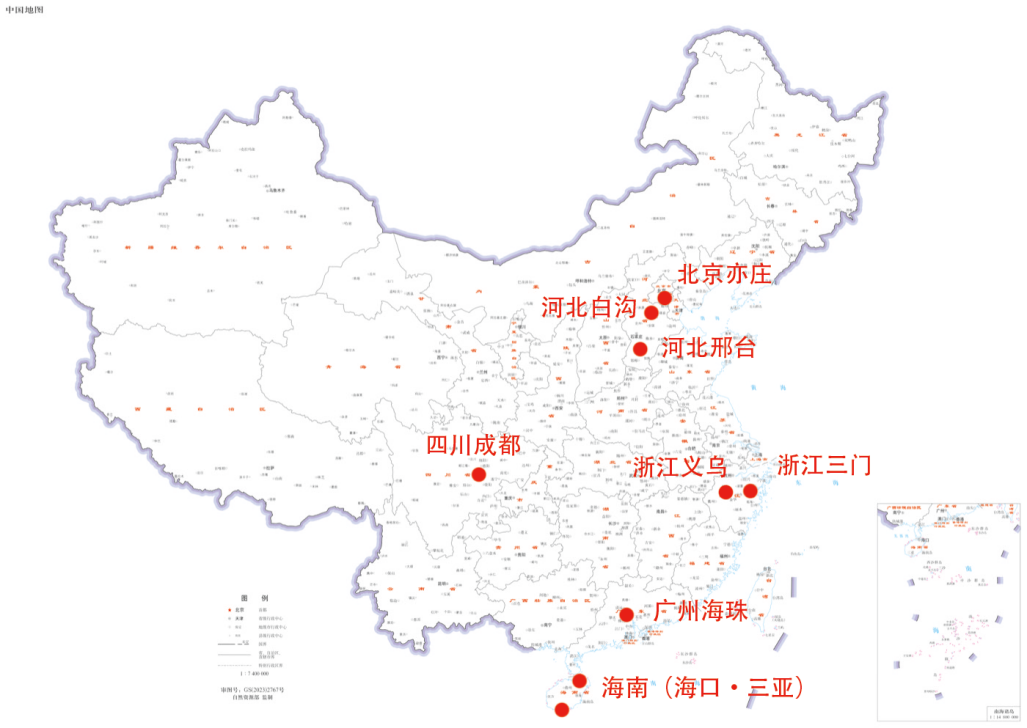
“Global Deep Dive” 2026 footprint
Course Design and Pre-Departure Preparation
“Global Deep Dive” is a signature custom course at Zhishan College, running through the first three undergraduate years. Through interdisciplinary, immersive field practice, it combines literature study, methods training, fieldwork, and data analysis to sharpen students’ ability to ask good questions, conduct research, and recognize their social responsibilities. In the summer semester of 2026, the College offered “Global Deep Dive 1” and “Global Deep Dive 2” to all enrolled students. As early as the spring semester, the College held a series of planning sessions to settle each team’s research sites and topics and finalize the overall program. It also organized course briefings, teaching assistant training, and student research workshops; had teams read relevant literature in advance and familiarize themselves with research questions and local contexts; and coordinated itineraries with local authorities. By the time students entered the field, the course already had clear research directions and a well-organized plan.
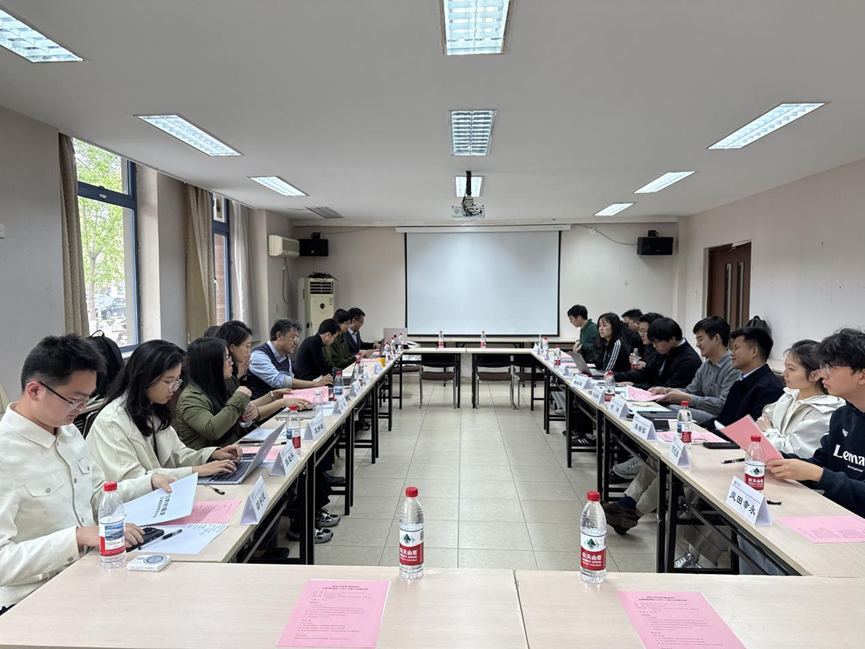
2026 “Global Deep Dive” Pre-Departure Seminar
Site-Based Research and Daily Debriefs
The fieldwork followed a group visit—subgroup research—evening discussion model. Students conducted observations and interviews during daytime, whereas recapitulations and discussions took place at night.
In Xingtai, students visited Qiaohedong and Huang’erying villages in Ningjin County. They talked with the village Party branch and village committee, interviewed households, worked in the fields, and met the village gazetteer team to learn about industrial development, grassroots governance, and how cultural memory is passed down in rural North China.
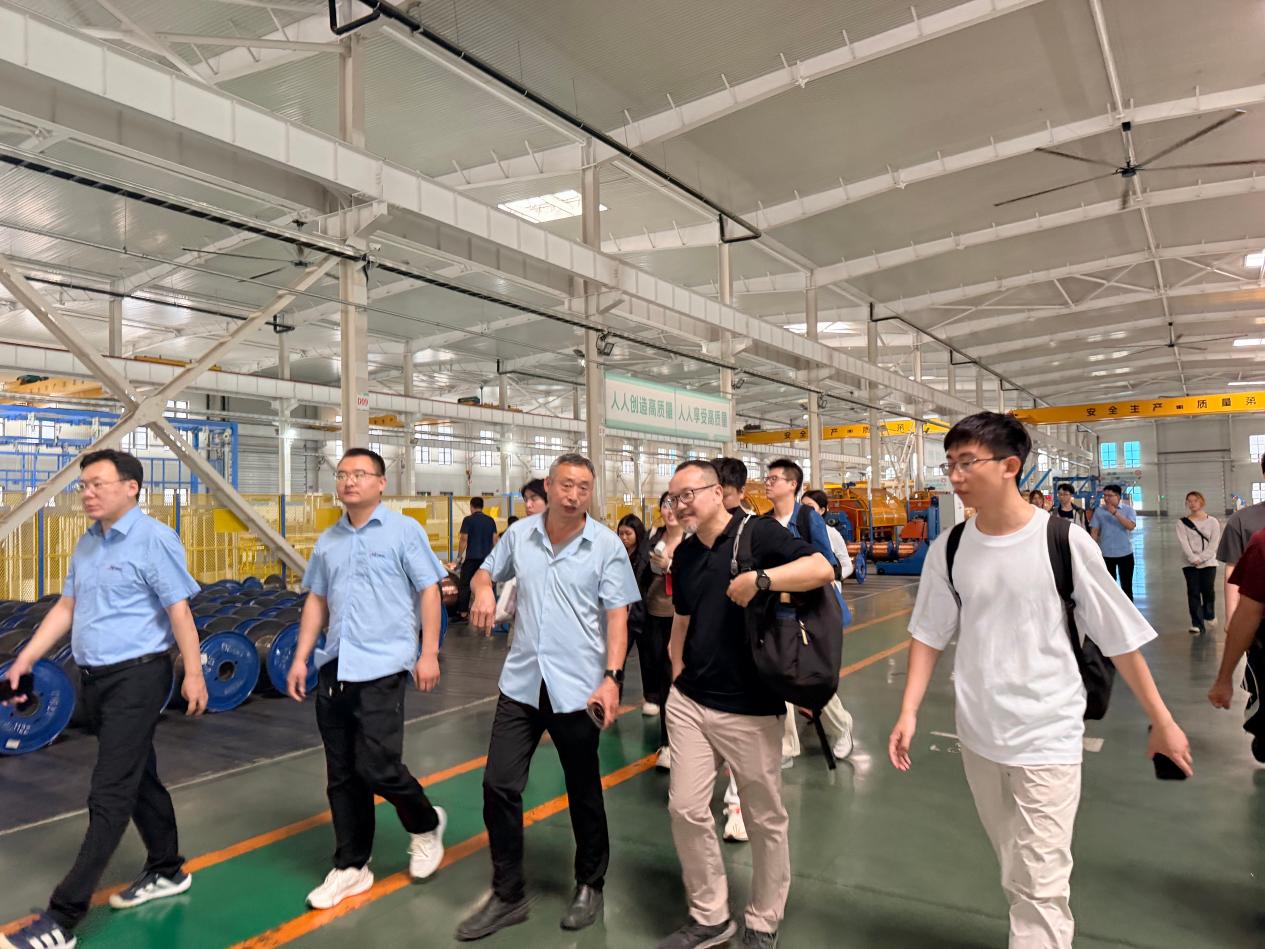
Xingtai team visits a rural enterprise factory
In Baigou, students conducted targeted interviews on the upgrading of the luggage and bag industry, generational handover among private entrepreneurs, women’s entrepreneurship, cross-border trade and new e-commerce models, and the integration of migrant workers and traders.
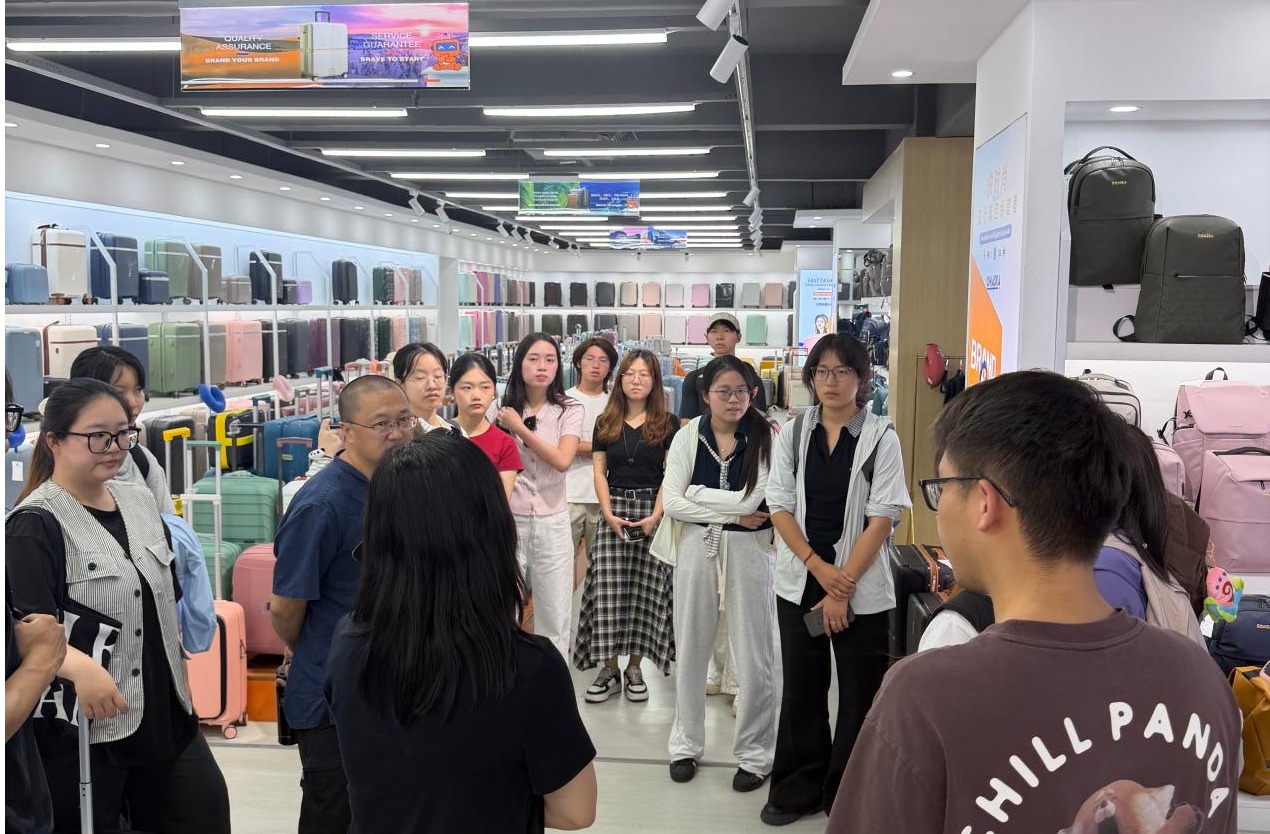
Baigou team interviews women entrepreneurs at the bag market
In Sanmen, students focused on the upgrading of the seawall aquaculture industry, the management of rural collective economy, common prosperity workshops, and the intangible cultural heritage of Yangjia Banlong (bench dragon). They visited townships and subdistricts to see rural revitalization and digital governance at the grassroots level.
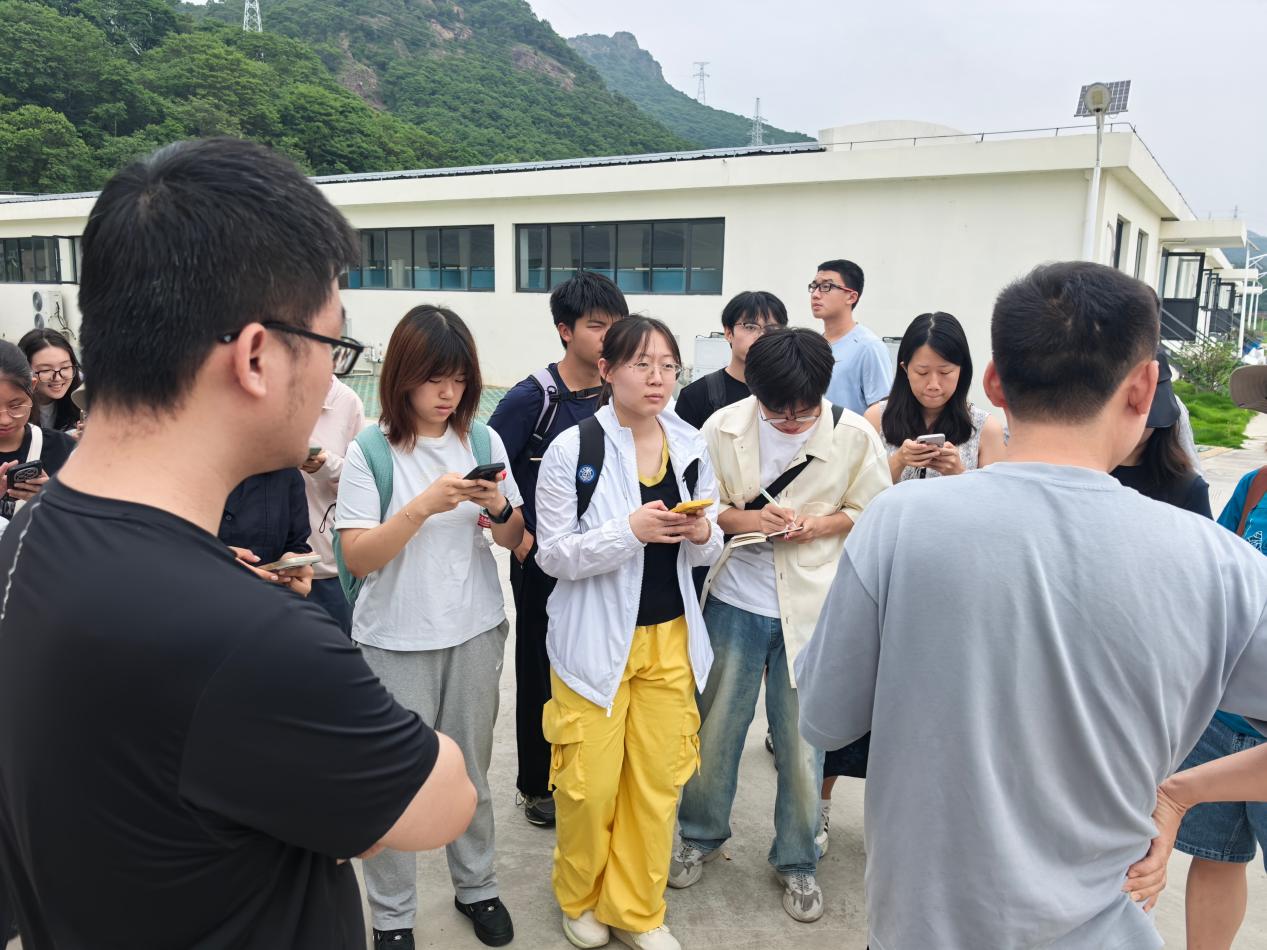
Sanmen team talks with aquaculture experts
In Yiwu, students visited the Yiwu International Trade City, the converged media center, Hengdian, the Jinhua Liangtouwu (two-end-black pig) Ranch, and rural cultural tourism sites, observing how multi-actor international communication took place in commercial trade, people-to-people exchange, and local daily life.
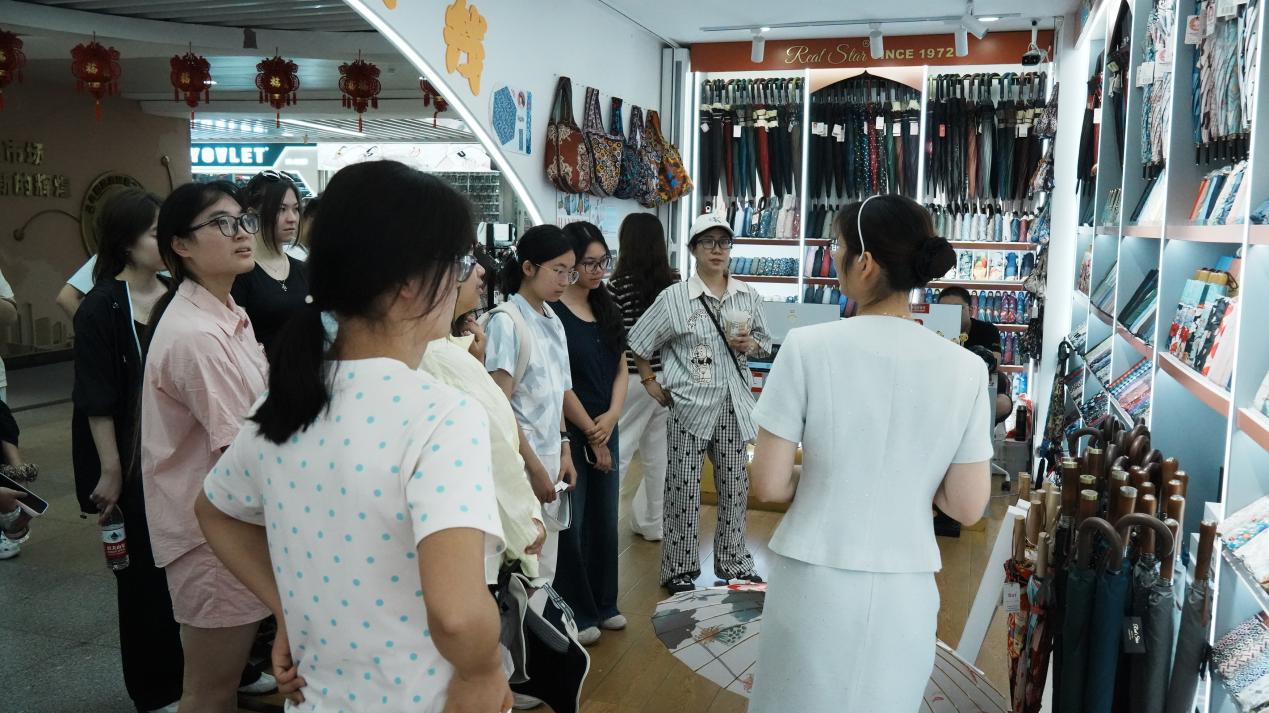
Yiwu team visits the International Trade City
In Hainan, students observed Yazhou Bay's Nanfan (winter seed breeding) and deep-sea science and technology, the headquarters economy of Sanya CBD, and the cross-border data and digital trade at Fuxing City, seeking to understand the how institutional innovation and high-level opening of the Free Trade Port are being implemented.
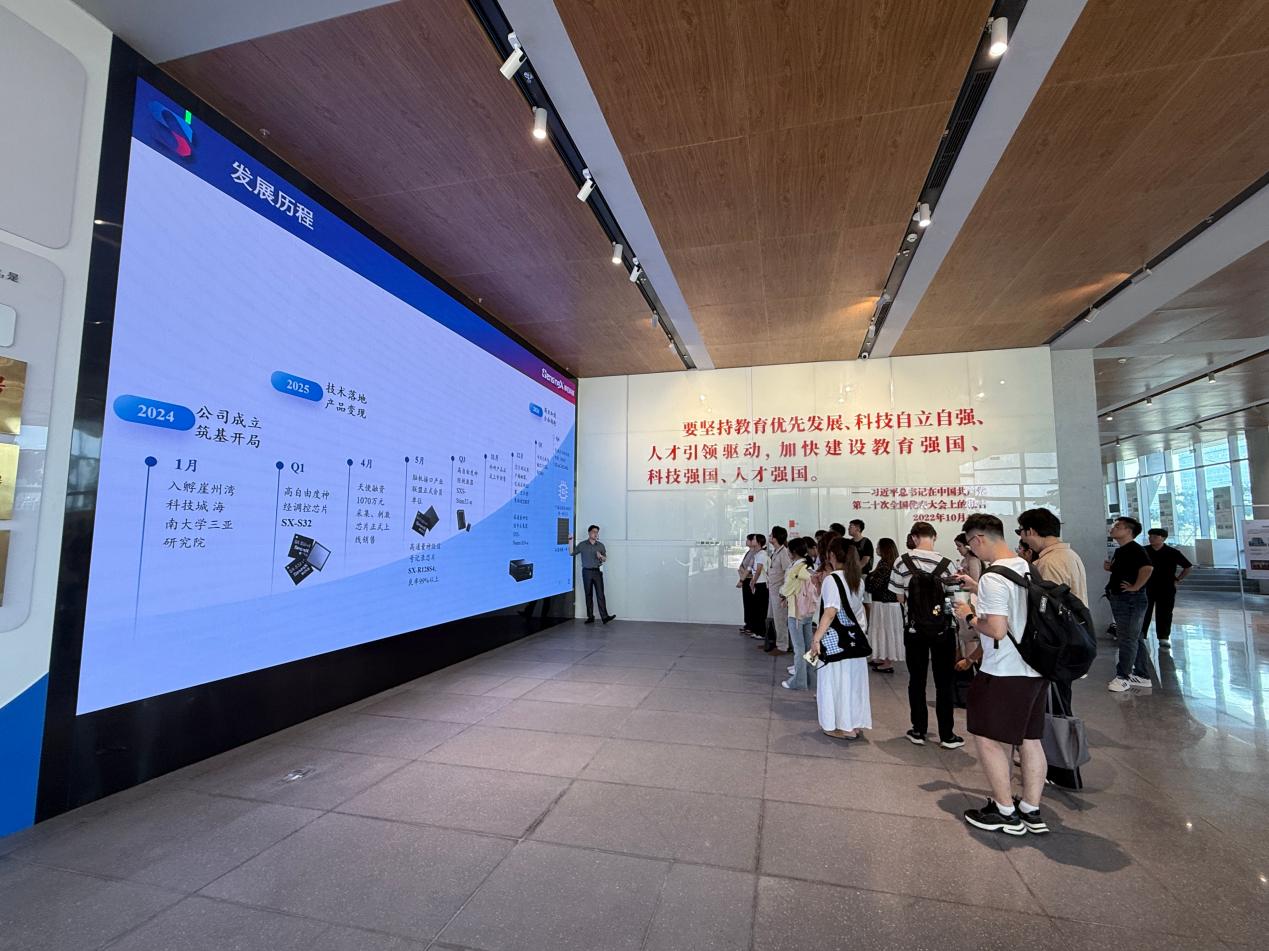
Hainan team learns about the development of Shenxin Technology
In Haizhu, students visited tech giants along the chain of “digital infrastructure—data governance—platform applications—industrial digitalization—embodied intelligence,” seeking to understand how data elements and AI integrate with the real economy in real industrial settings.
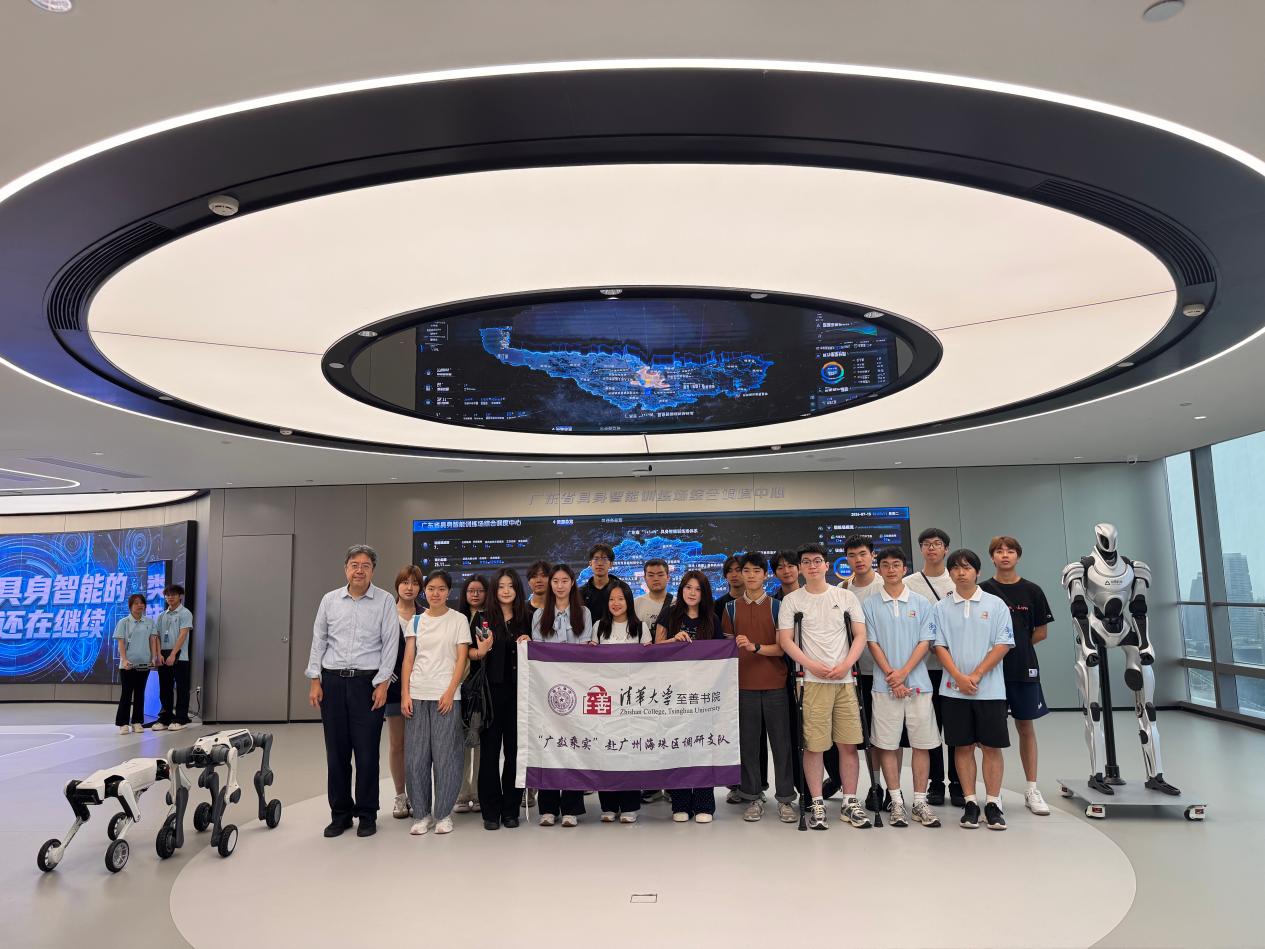
Haizhu team visits the integrated dispatch center of the embodied intelligence training gound
In Beijing E-Town, students visited the Xiaomi EV factory, Robot World, and the high-level autonomous driving demonstration zone, conducting research on data element circulation, vehicle-road-cloud integration, and the governance of intelligent connected vehicles.
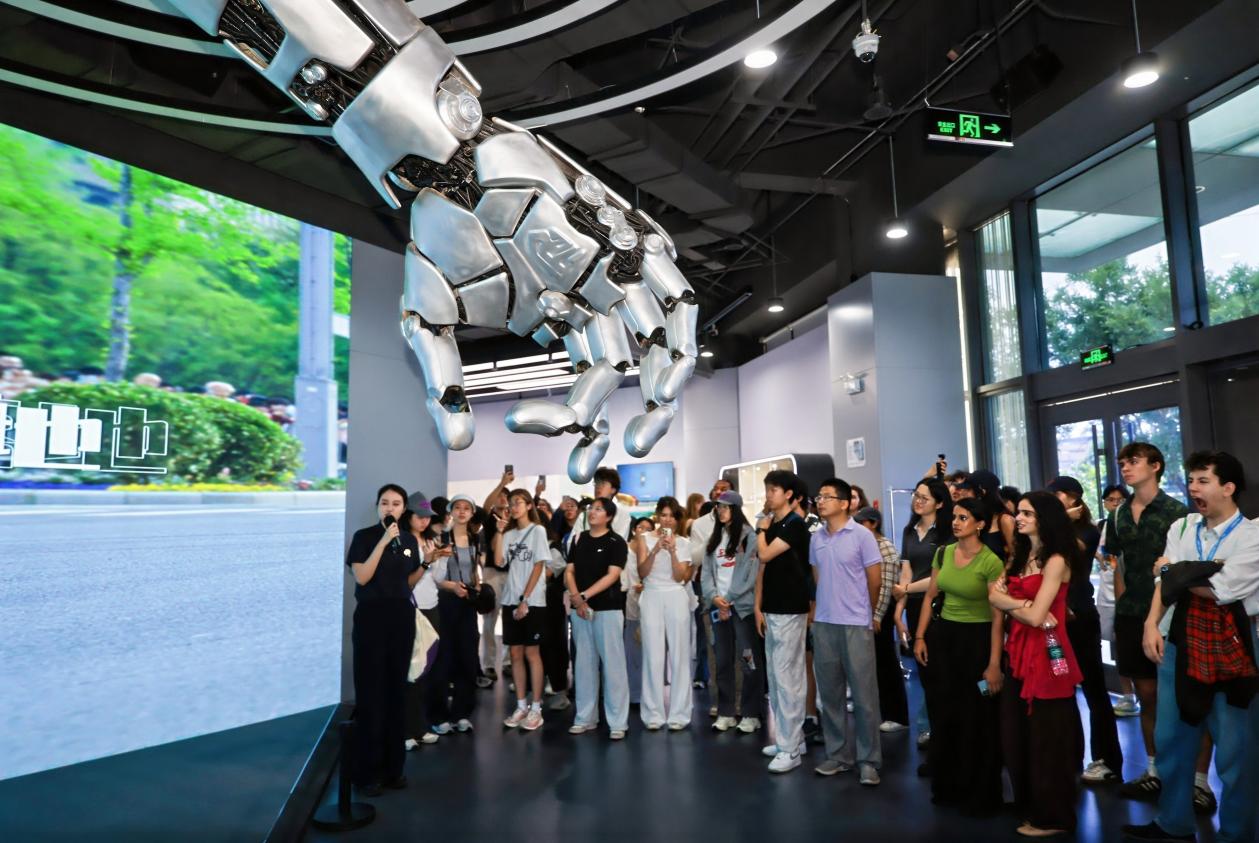
Yizhuang team visits the Robot World
In Chengdu, students focused on state-owned enterprise reform, new cultural tourism formats, and county-level economic development, using semi-structured interviews and participant observation to understand how grassroots society operates.
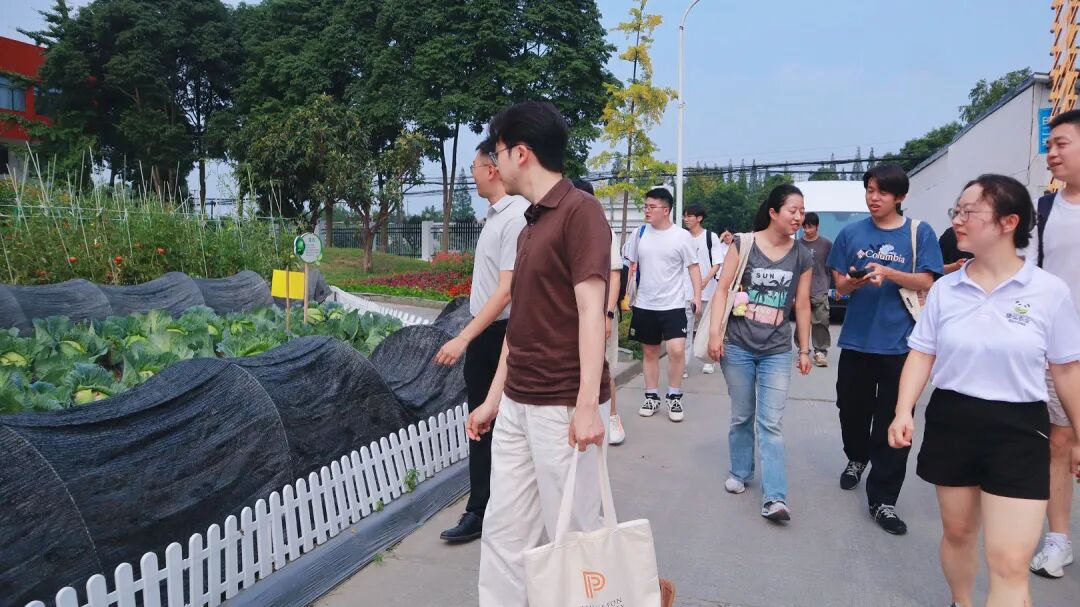
Chengdu team observes local specialty agriculture
Faculty leaders and teaching assistants accompanied the students on site throughout. Through daily exchanges, on-site guidance, and group discussions, they helped students identify information, organize materials, spot problems, and advance their analysis, gradually turning field materials from empirical records into academic expression.
Report Discussions and Case Development
The 2026 fieldwork has ended, but the academic reflection continues. Based on dozens of high-quality research reports produced during fieldwork, the College held the 2nd Cong You Festival of Zhishan College, Tsinghua University, helping students communicate their ideas and refine their research. Selected reports will later be compiled and published as Global Deep Dive: 2026 Collection, so that findings from the field can inform public policy and social practice.
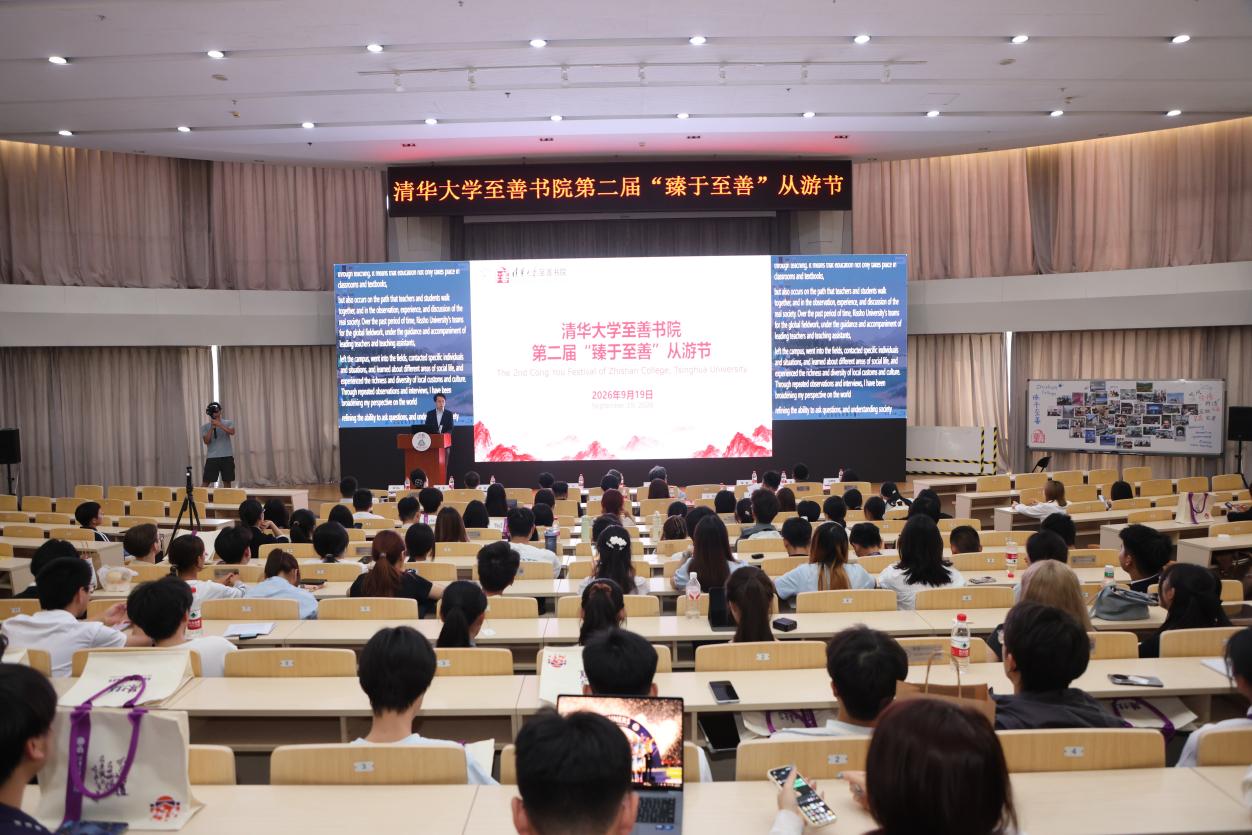
The 2nd Cong You Festival of Zhishan College