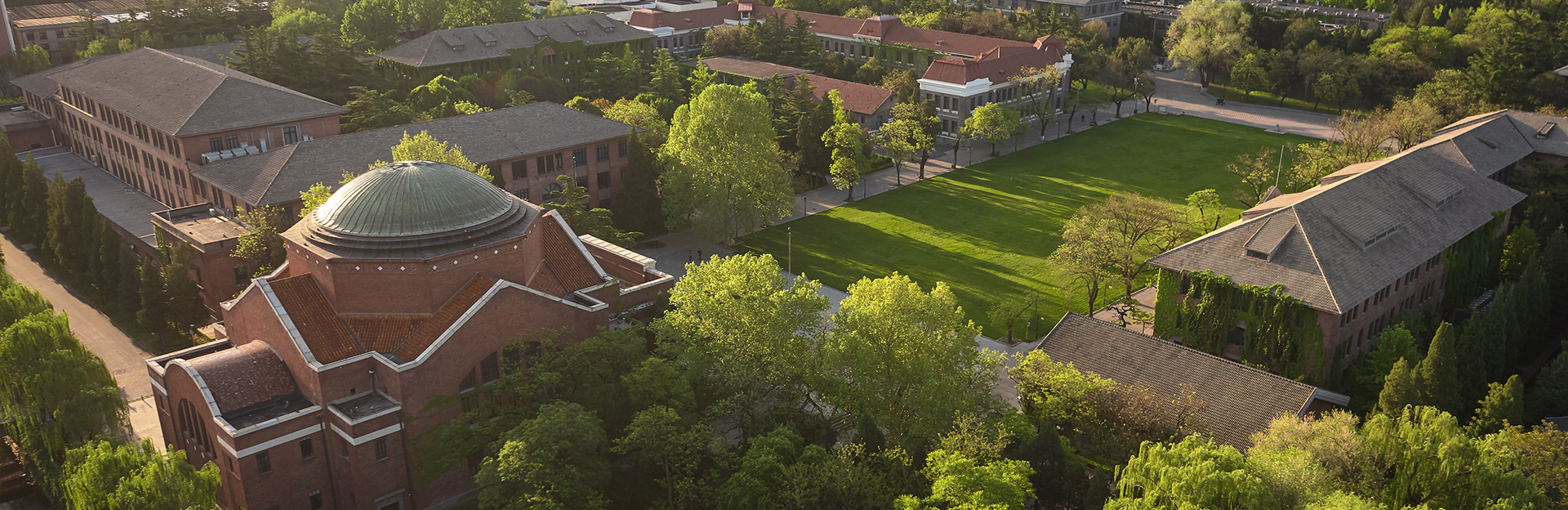
On November 6, 2025, Zhishan College held its Autumn 2025 Mentor Exchange Meeting at the Xiong Zhixing Building. The meeting was chaired by Vice Dean Jin Jun and attended by over twenty mentors from various schools and departments across the university.
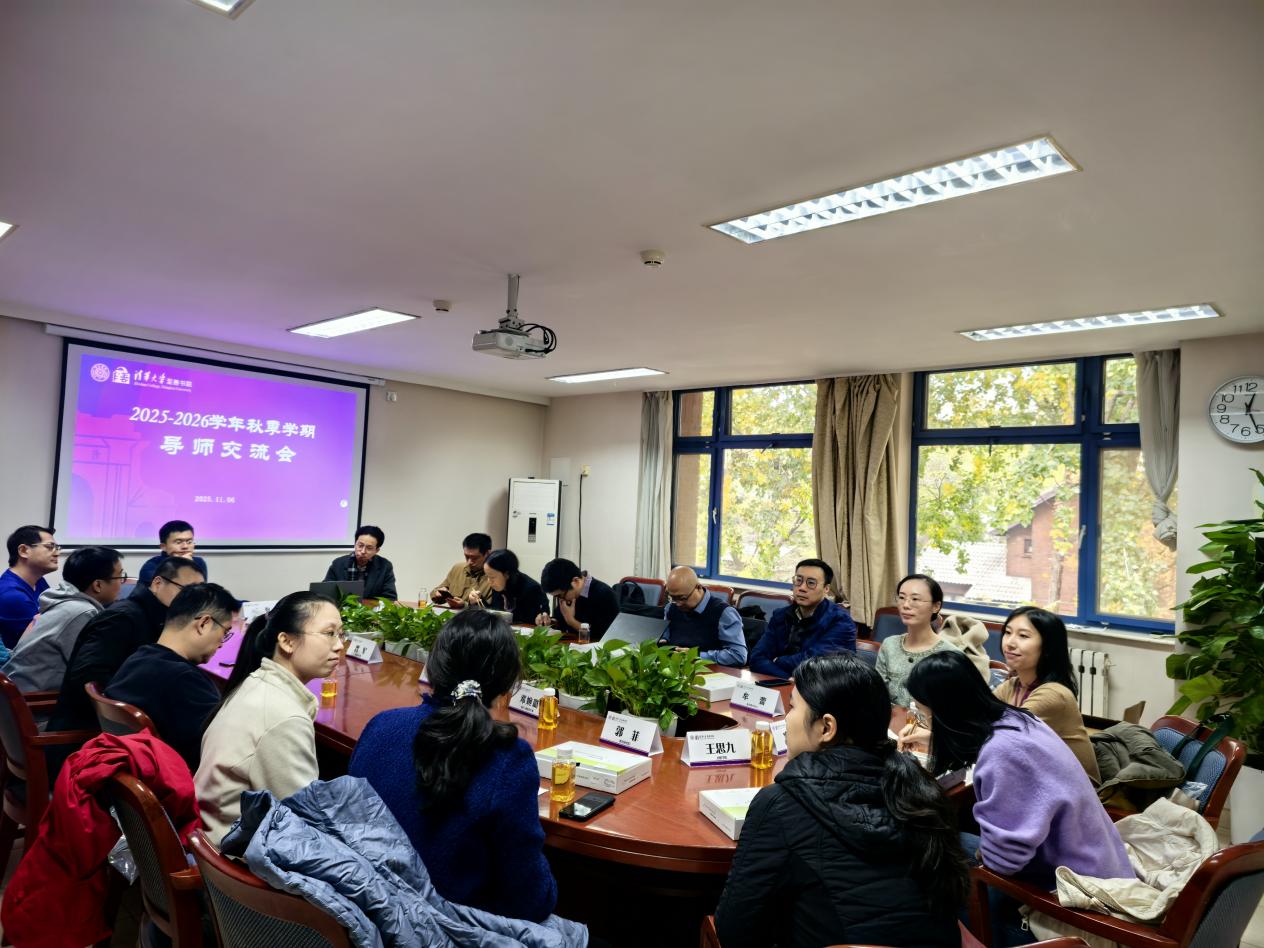
At the beginning of the meeting, Jin Jun expressed gratitude to the mentors for their participation and provided a detailed introduction to the implementation and key features of the college's mentor system. He mentioned that under the current system, each mentor guides 1-2 students and engages in one or more diverse forms of interaction with them per month on average. He emphasized that the mentor system is a vital component of the college's reform, aimed at strengthening the faculty-student community. It serves as a key extracurricular element for fostering student development and offers mutual benefits for both mentors and students.
During the discussion session, the mentors shared their experiences interacting with students and offered opinions and suggestions regarding the implementation of the mentor system. It was widely noted that students are generally under significant pressure, exhibiting anxiety, confusion, and a utilitarian mindset, with unclear future plans and varying states among students from different backgrounds. Academically, some students struggle with the transition from concrete calculation to abstract thinking, particularly in mathematics-related courses. Additionally, international students face challenges related to cross-cultural adaptation and social integration.
In terms of communication methods, mentors currently employ various approaches such as regular discussions, sharing meals, involving students in lab group meetings, providing research guidance, and inviting students to participate in activities. Some mentors suggested adopting more flexible and diverse forms of interaction to create a more natural atmosphere and prevent students from developing a sense of obligation. It was also proposed that mentors for first-year students should transition into academic mentors for sophomores and beyond, helping students gradually deepen their disciplinary understanding and explore their interests.
In his concluding remarks, Jin Jun thanked the mentors for their dedication and insightful contributions. He stated that the college would move quickly to implement the suggestions, including establishing a structured transition from first-year to academic mentoring and further improving support for faculty-student interaction.
The meeting served to take stock of the mentor system's progress, explore student challenges and effective communication strategies, and outline future directions for the program. It strengthened the foundation for enhancing student development through mentoring, as the college continues to refine a system that provides both personal guidance and academic inspiration for holistic student growth.