On April 13, Zhishan College held its 2026 pre-departure seminar for Global Deep Dive (GDD), a signature course. Attendees included Dean Tang Ke, Vice Dean Jin Jun, Student Affairs Head Sun Zhen, along with external experts, faculty from relevant departments, teaching assistants, and undergraduate representatives. The seminar focused on refining the course for the upcoming year.
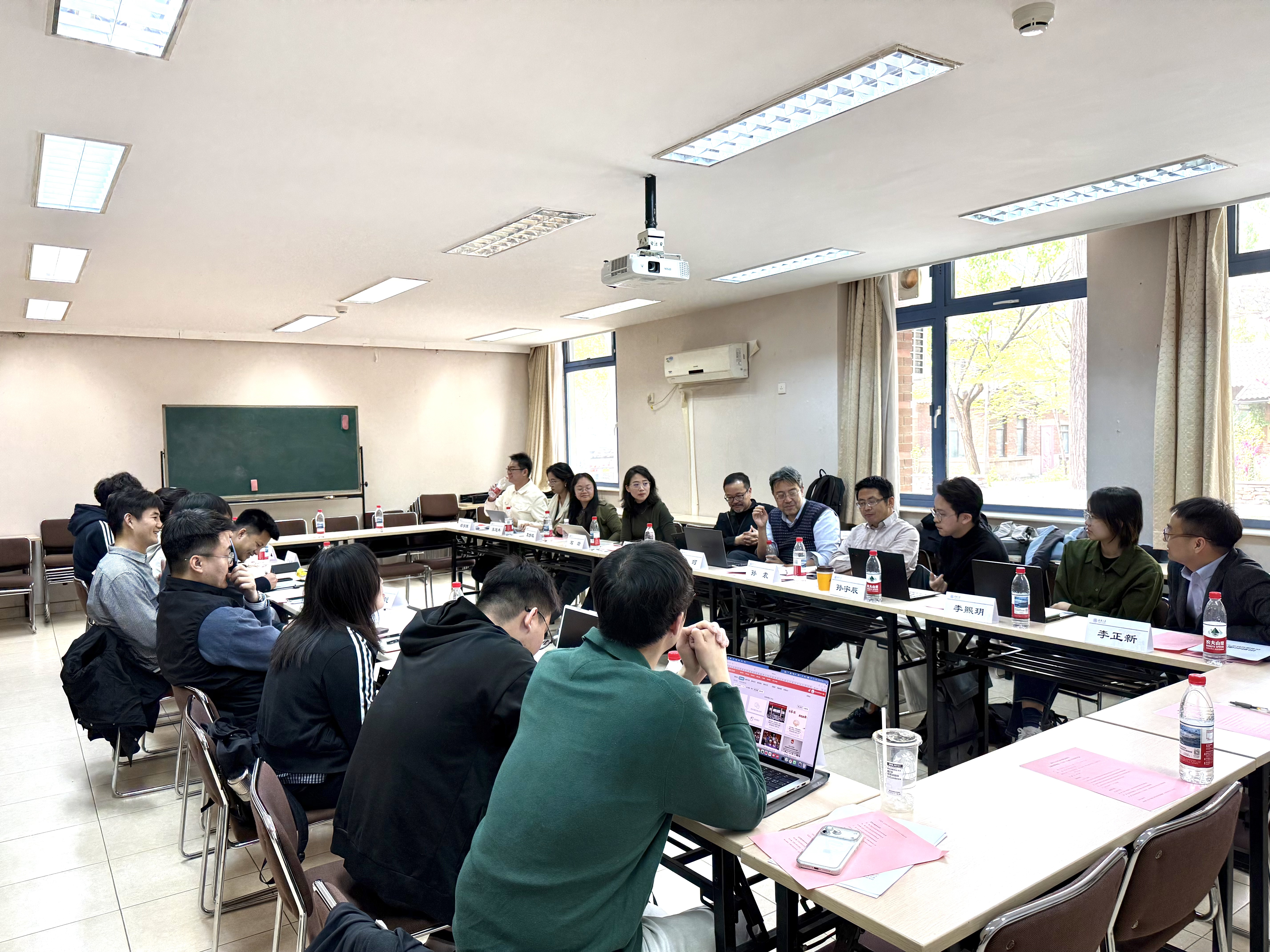
Scholars’ discussions and exchanges
Tang Ke noted that GDD is a cornerstone of the College’s experiential learning model, aimed at nurturing future leaders in the digital society. The course follows a three-tier structure: social awareness in the first year, disciplinary deepening in the second, and overseas fieldwork in the third. In 2025, students completed fieldwork across multiple domestic locations, producing a range of outcomes including presentations, report compilations, and academic journals, along with a forthcoming case study collection. Key challenges identified include managing diversity in student backgrounds, disciplines, and research locations, as well as improving support for international students, systematizing research skills training, and ensuring long-term impact of project outcomes.
External experts suggested a semi-structured training model that balances core skill-building with student-driven topic selection, alongside tiered instruction to strengthen basic research competencies. College faculty recommended adding modules on local governance and regional customs to pre-departure training, designing fieldwork schedules with adequate rest and data organization time, and diversifying output formats to include podcasts and short videos. There was broad agreement that fieldwork is not just a methodological exercise but a crucial way for students to grasp social complexity, requiring stronger emphasis on ethics and cross-cultural communication.
Teaching assistants called for more targeted training in interviewing techniques and field note-taking, earlier team-building, better pacing of fieldwork, and stronger language support for international students. Undergraduate representatives hoped for more interdisciplinary content, a balance between urban and rural fieldwork sites, and an optimized evaluation system. International students asked for advance information on local culture and policies, as well as a slower fieldwork pace. Students also expressed interest in linking fieldwork outcomes to research and innovation programs like SRT and the Challenge Cup, and in establishing long-term follow-up mechanisms.
The seminar resulted in three main directions for improving the 2026 course:
Earlier preparation – finalizing fieldwork sites, teams, and faculty assignments well before the exam period.
Tiered workshops – offering specialized training for students, TAs, and instructors, including practical modules on field ethics and emergency communication for students.
Stronger overseas support – partnering with overseas universities and local organizations to create safety protocols and academic collaboration networks.
In the closing remarks, Tang Ke stressed that GDD must remain student-centered and outcome-oriented, turning each fieldwork experience into a stepping stone for social understanding and skill development. The College will also establish a dynamic feedback mechanism, collecting input from students and faculty after each phase of fieldwork to continuously improve the training.
The seminar systematically reviewed past experiences and identified clear paths for improvement, laying a solid foundation for the 2026 GDD. Zhishan College will continue to refine this signature course, offering better training, more efficient organization, and stronger support services, helping students integrate knowledge and action and setting a benchmark for social science field education in a college setting.
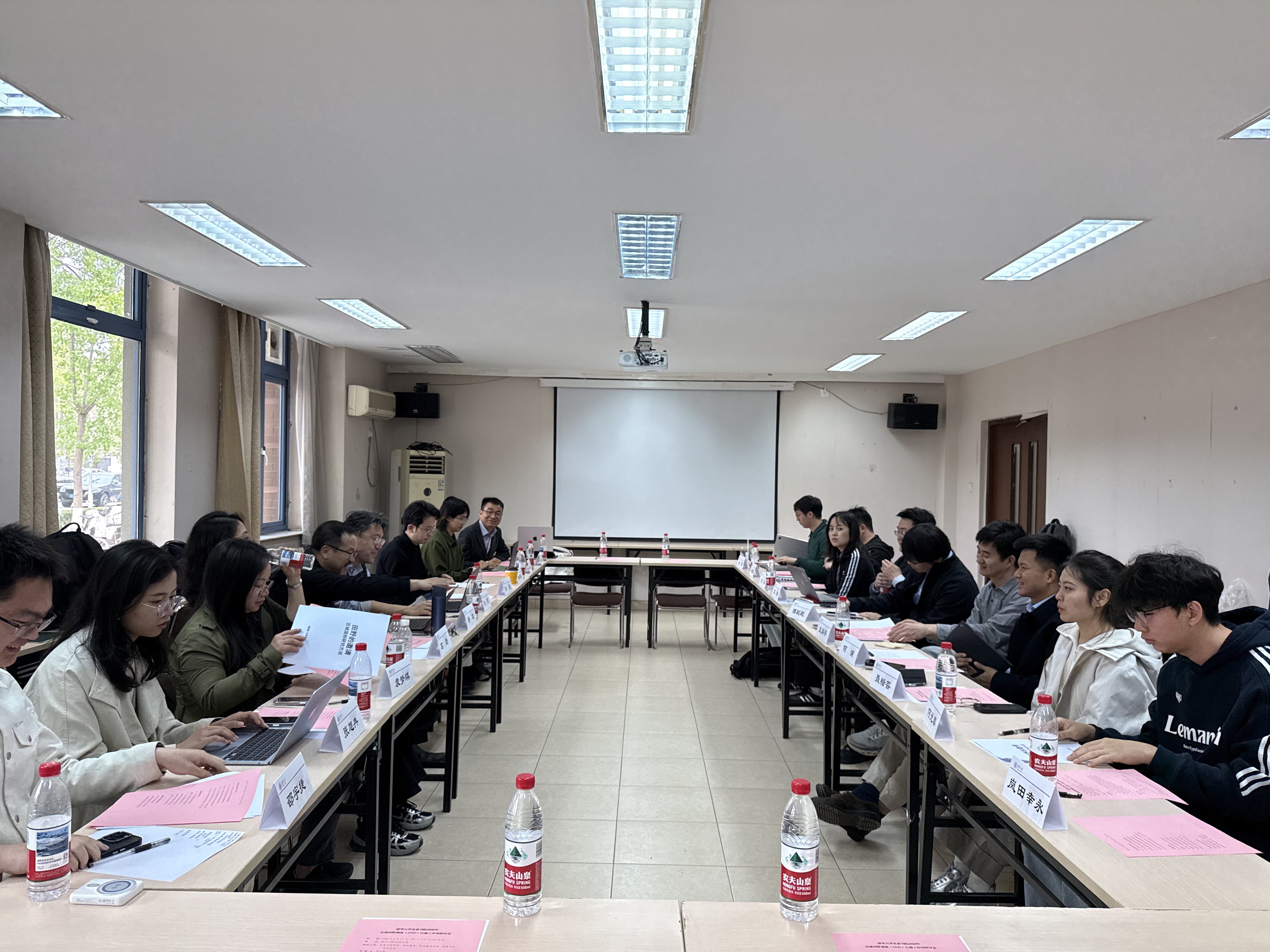
At the Conference